Miranda began with bicycle horns and air pumps. More than seven decades later, the company combines engineering, industrial production and product development to create components for riders and bicycle brands around the world.
The journey has never followed a single process or material. Motorcycle parts led to technical assemblies; plastic injection expanded the manufacturing vocabulary; cold-forged aluminium brought a new focus on the drivetrain. Today, those disciplines work together in Águeda.
Our history is a story of building capability, then asking what that capability could make possible next.
1950
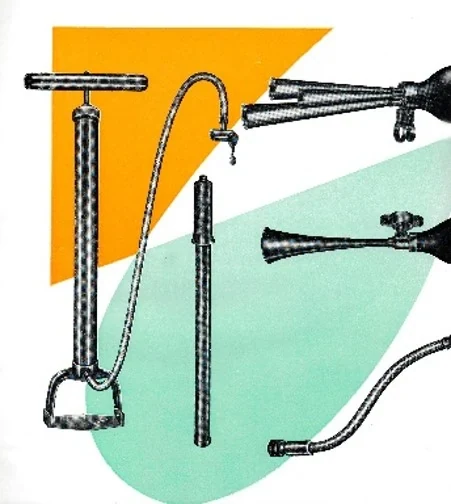
Miranda’s early bicycle accessory range
CHAPTER 01
A family business takes shape.
Bicycle horns and air pumps are among the first accessories made by Miranda. Established in Portugal as a registered company, the business begins building the practical manufacturing knowledge that will shape its future.
1960
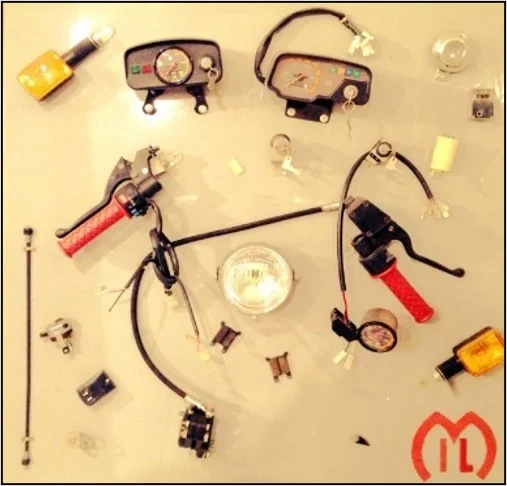
Historical Miranda motorcycle components
CHAPTER 02
Expertise on two wheels.
As motorcycling grows, Miranda broadens its range to speedometers, headlights, grips, switches and horns. Working across these different components expands its understanding of materials, functional assemblies and the demands of the two-wheel industry.
1978
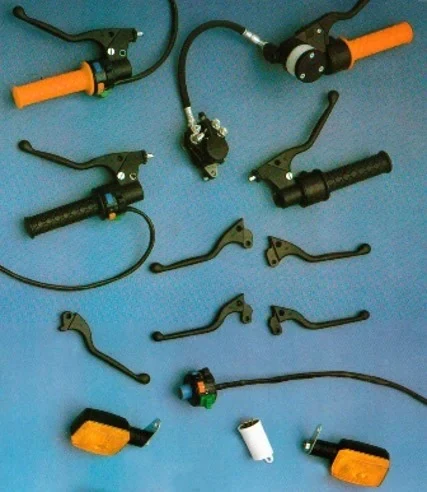
Grips, switches and hydraulic brake components from the Miranda archive
CHAPTER 03
A new material language.
The introduction of plastic injection moulding adds a new manufacturing discipline. Hydraulic motorcycle brakes also become part of the range, extending the company’s capabilities from individual accessories to more complex technical systems.
1994
An earlier chapter of production at Miranda
CHAPTER 04
Back to the bicycle.
Miranda refocuses on the bicycle industry, producing coloured handlebar grips and plastic brake components. The experience accumulated in motorcycles and polymers becomes a foundation for the next generation of bicycle products.
2000
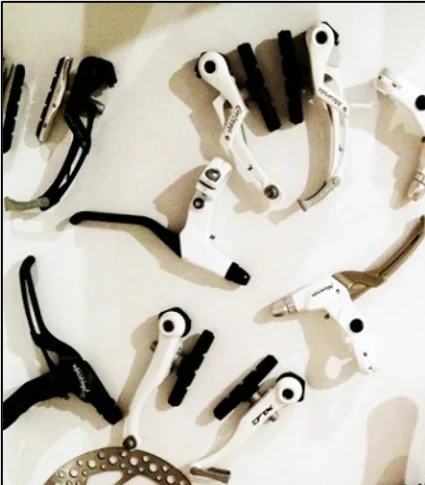
Forged Miranda brake components
CHAPTER 05
Forging a new direction.
The introduction of proprietary cold-forging technology opens a new chapter in aluminium components. Forged V-brakes, hydraulic brake parts and brake levers bring the company’s material and manufacturing expertise directly into bicycle performance.
2004
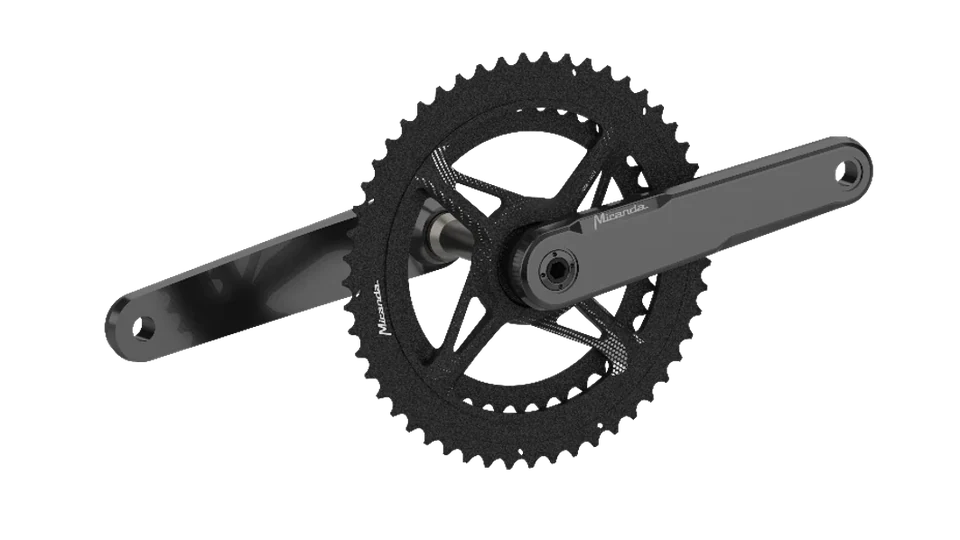
A Miranda crankset from the transmission expansion
CHAPTER 06
The drivetrain takes centre stage.
Cold-forged aluminium cranksets become a central part of the business. The move into transmission components connects forging expertise with geometry, durability and the interfaces that transfer a rider’s effort to the bicycle.
2010
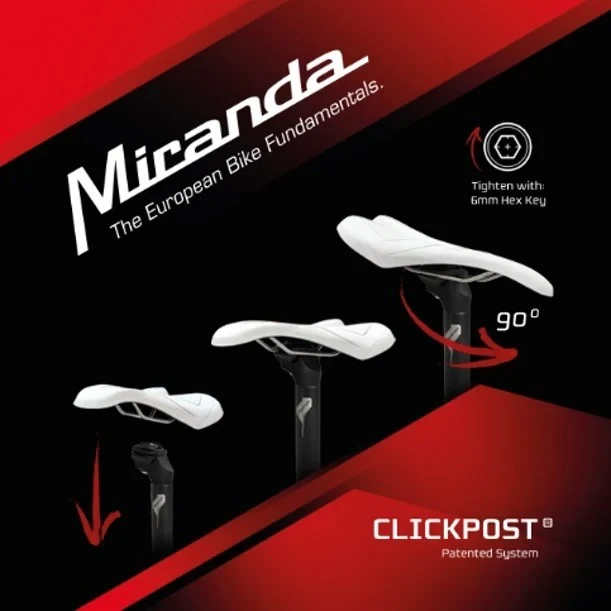
Miranda’s patented Clickpost seatpost
CHAPTER 07
Ready for electric cycling.
At Eurobike, Miranda presents dedicated cranksets for electric bicycles, responding early to a new set of motor and drivetrain requirements. A forged seatpost with a patented system demonstrates the breadth of its product development.
2013
Miranda products recognised with Red Dot Design Awards
CHAPTER 08
Design earns recognition.
Investment in R&D and intellectual property grows as Miranda develops distinctive solutions, particularly for e-bikes. Three Red Dot Design Awards recognise the company’s work and reinforce the connection between technical function and product design.
2015
The Infinium and Timelapse development era
CHAPTER 09
Materials become possibility.
Infinium and Timelapse demonstrate the potential of forged aluminium, titanium alloys and surface technologies in performance components. Patented ChainFlow technology extends the focus to the way the chain and drivetrain work together.
2018
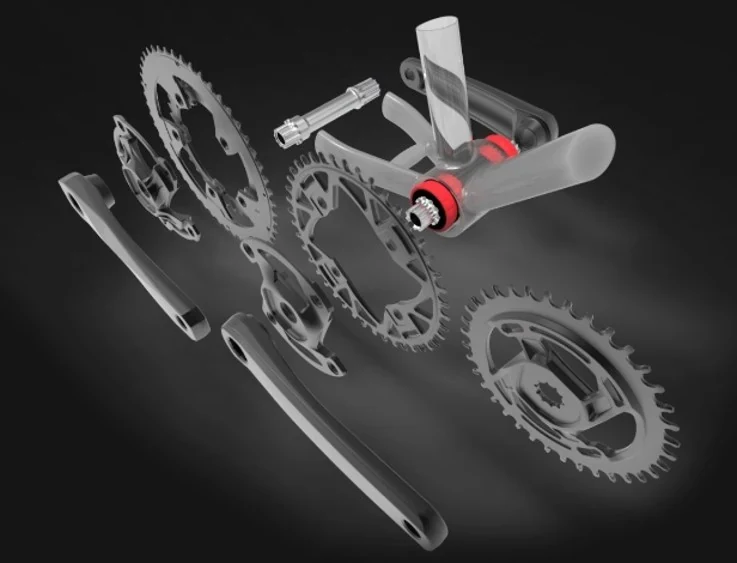
The XMOD modular crankset architecture
CHAPTER 10
A modular way to ride.
XMOD brings interchangeable crankset elements into a modular system: cranks, spindles, spiders and chainrings can be specified for the intended assembly. International patent protection accompanies the platform, while Miranda is recognised among Portugal’s leading patent applicants.
2019
MGreen development combines product design with circularity
CHAPTER 11
More connected. More capable.
Investment expands the manufacturing facilities and production capacity. Connected and automated machinery supports the move towards Industry 4.0. The first MGreen concepts put ecodesign and the separation of materials at the heart of a new crankset.
2023
Miranda receiving sustainability recognition in 2023
CHAPTER 12
Responsibility moves forward.
New stems, a seatpost and gravel solutions expand the range. Recycled aluminium and renewable electricity become central to the manufacturing story. Miranda acquires 2.4 hectares near its headquarters to develop a biodiversity restoration project and receives sustainability recognition.
2024
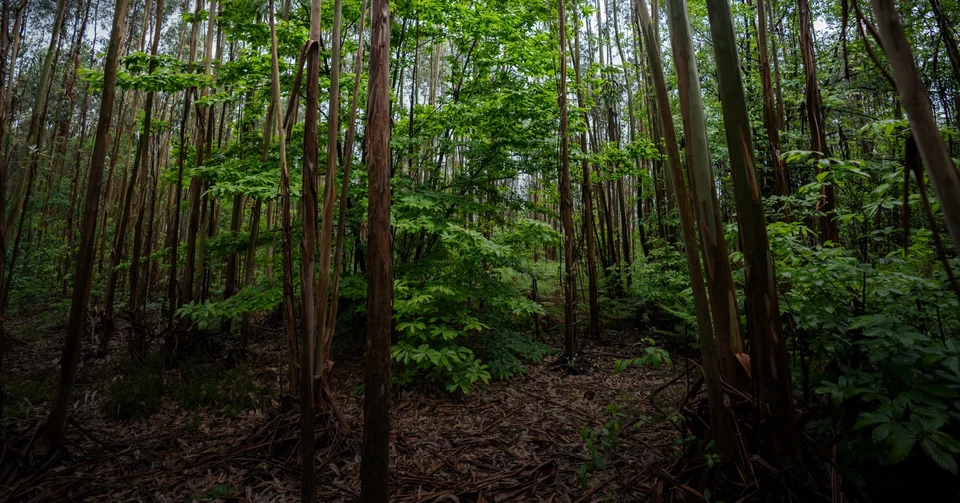
The woodland associated with Miranda’s biodiversity programme
CHAPTER 13
Measure the wider impact.
The biodiversity baseline identifies 61 plant species and 48 animal species on the acquired land. Product life cycle work and corporate footprint reporting deepen the evidence behind sustainability decisions. The Business Intelligence Group recognises Miranda with a Sustainability Leadership Award.
2025
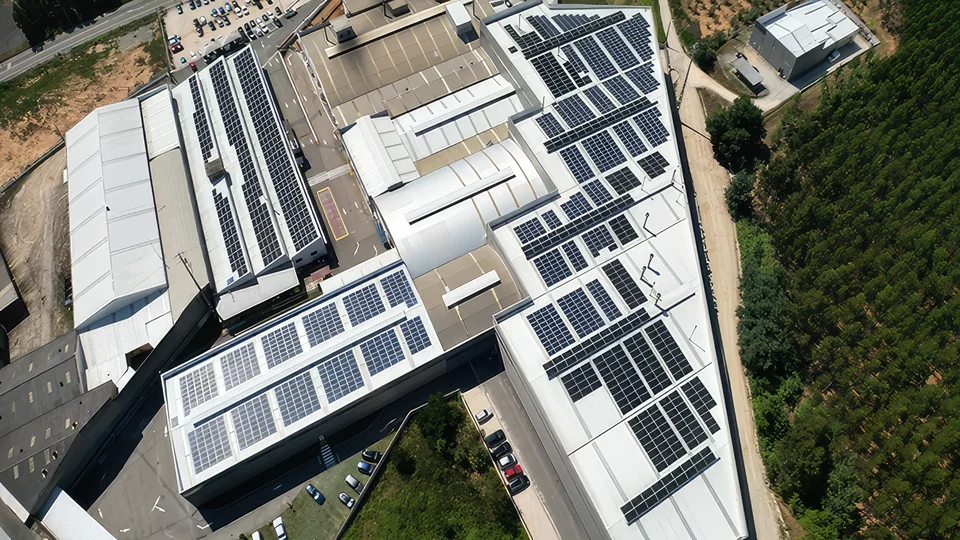
Renewable electricity and on-site generation at the Águeda facilities
CHAPTER 14
75 years. A deeper commitment.
Miranda marks 75 years of activity. Certification against the ASI Performance Standard, a double materiality assessment and the 2026–2029 Sustainability Strategy strengthen environmental, social and governance work. Life cycle assessment covers a family of ten forged aluminium cranks.
2026
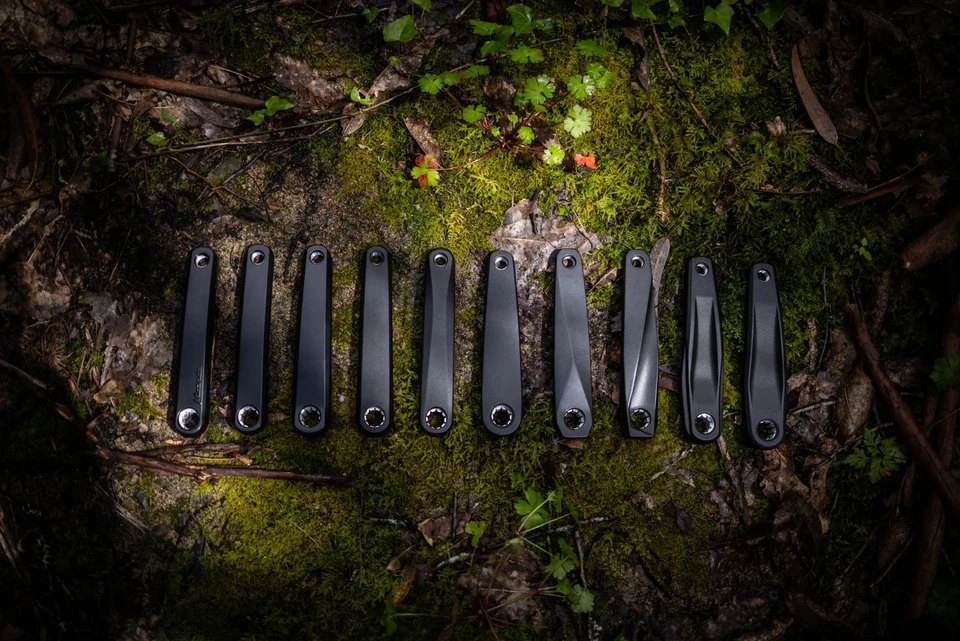
Forged aluminium cranks included in Miranda’s product environmental work
CHAPTER 15
The next chapter is transparent.
The International EPD System publishes the environmental declaration for ten Miranda forged aluminium crank models. The 2026 collection brings together detailed component specifications across MTB, Road & Gravel, E-Bikes and City & Trekking, continuing a story built around engineering and the ride.
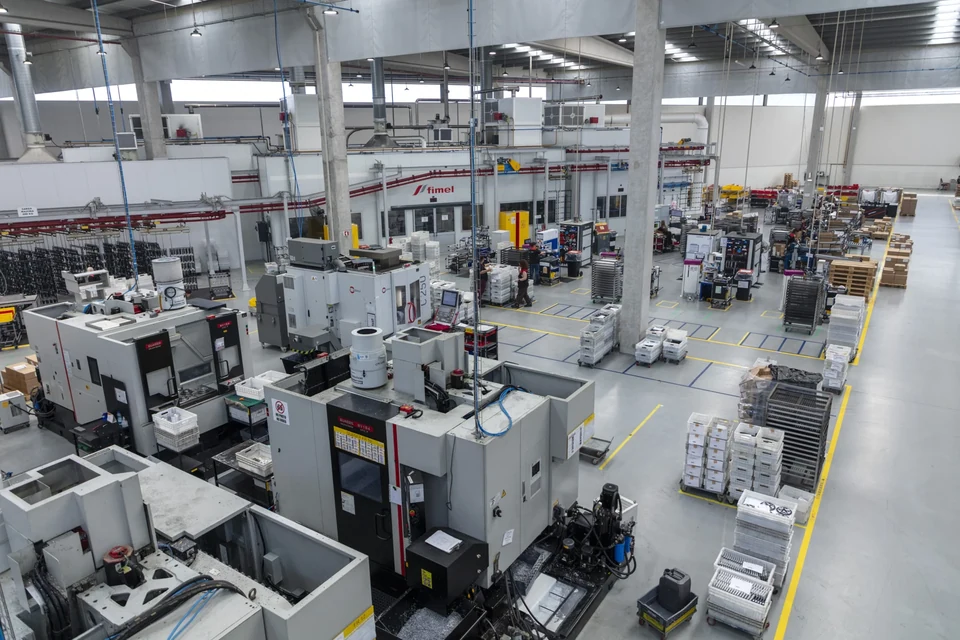
The manufacturing structure behind Miranda’s cycling components
Miranda today
Made in Portugal. Connected to the world.
Miranda remains a privately owned family company rooted in Águeda. Our purpose is to produce components sustainably, promoting innovation and the circular economy throughout the value chain.
The factory brings product development together with complementary manufacturing processes. Our cycling range serves mountain biking, road and gravel, electric bicycles, and city and trekking applications. Standard platforms and proprietary OEM designs share that industrial foundation.
The relationship with riding stays close through the Miranda Factory Team and partnerships with bicycle and motor brands. Testing, feedback and new applications continue to shape what we develop next.