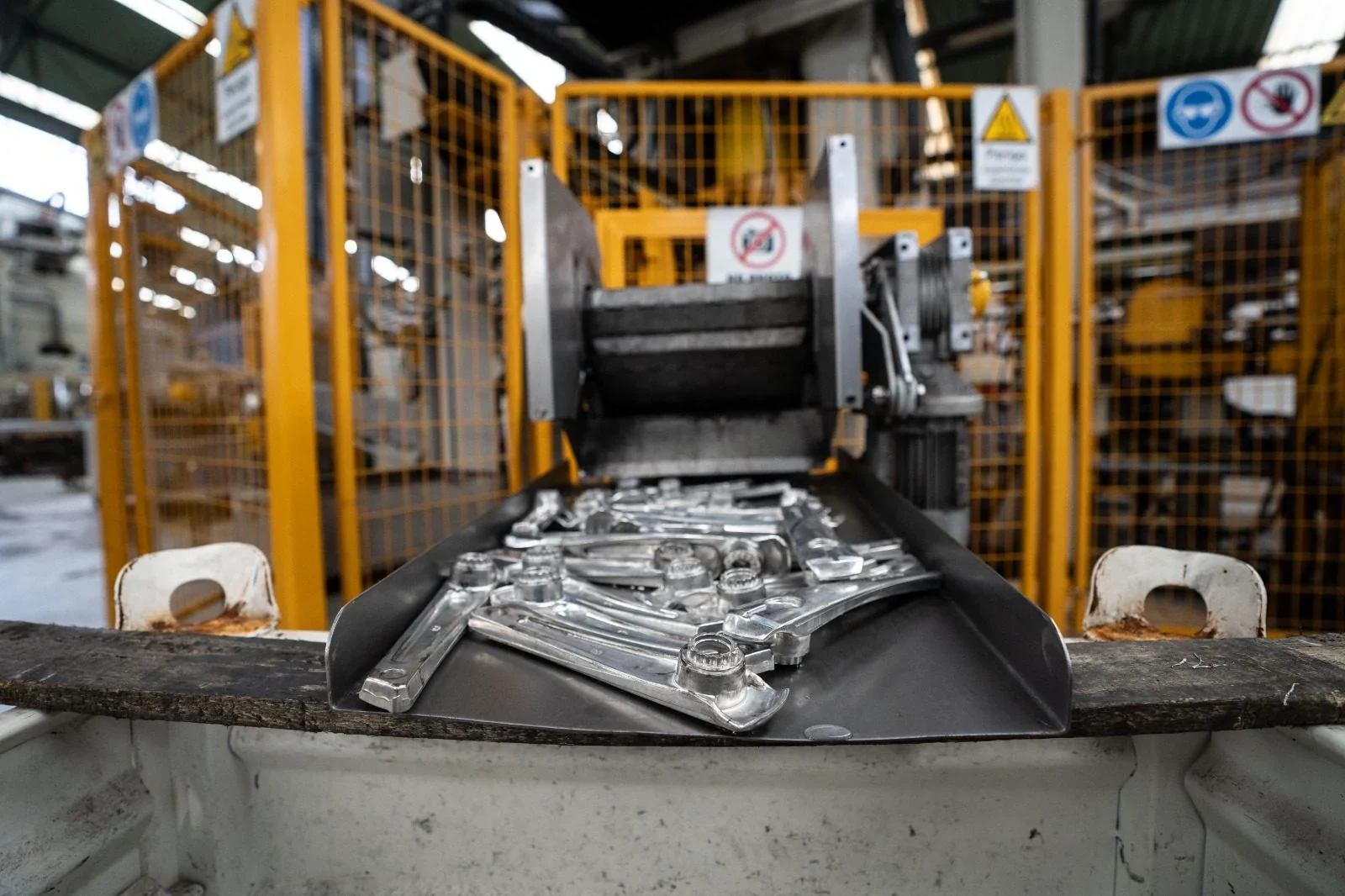
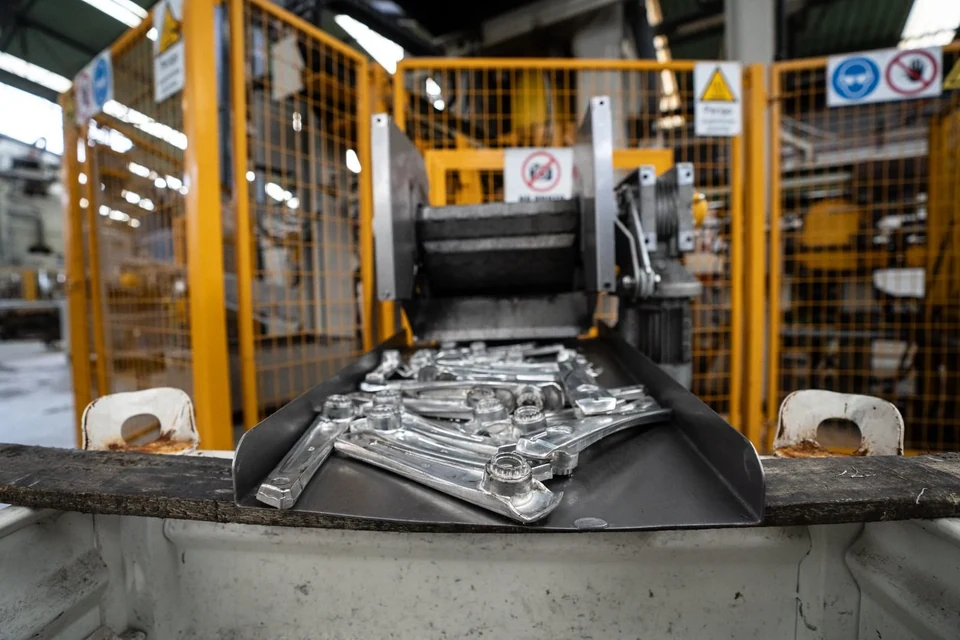
Progressive aluminium forging at Miranda’s factory
Engineering / Águeda, Portugal

From raw material.
To the next ride.

One integrated industrial structure

The knowledge.
The tools.
The whole process.

A component is the result of many decisions: the alloy, the geometry, the manufacturing route, the finish and the way it performs under load. At Miranda, the people making those decisions work within an integrated industrial structure in Águeda, Portugal.

Our capabilities connect engineering and prototyping with forging, CNC machining, technical plastics, surface treatments, assembly and testing. This is the industrial foundation behind our cycling components, and the starting point for proprietary OEM projects.

25,000+m² of industrial facilities
15+integrated production processes
86+patents granted in multiple countries
1950the beginning of our manufacturing story

Industrial profile: Miranda Advanced Manufacturing.

01 / Inside the factory

A complete set
of capabilities.

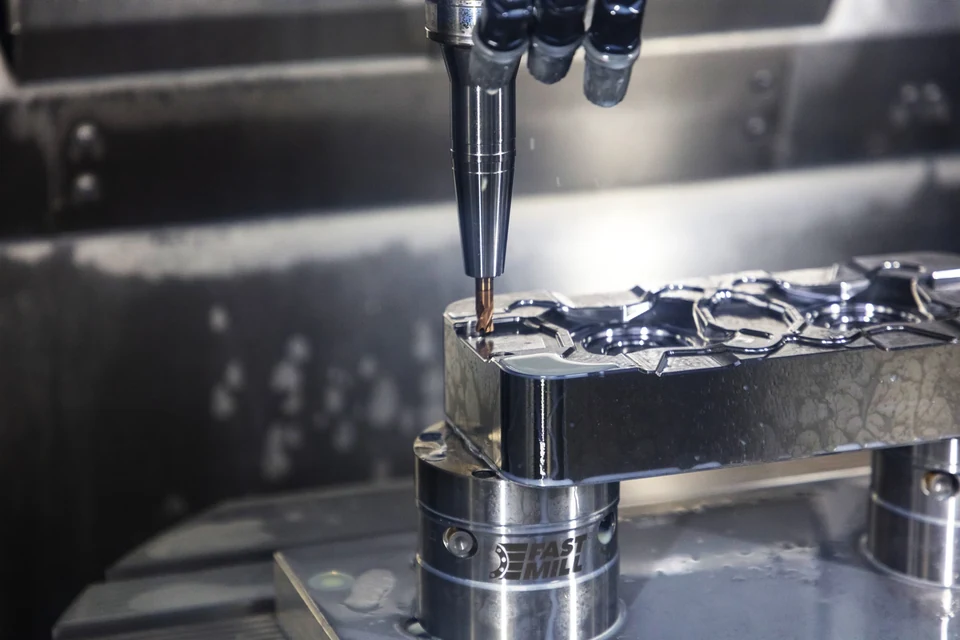
Miranda engineering at work on component geometry
02 / From brief to industrialisation

Design with
production in mind.

Development begins with the application and the needs of the bicycle or motor brand. Crank length, Q-factor, chainline, spindle interface, clearance, material and appearance become a shared engineering brief.

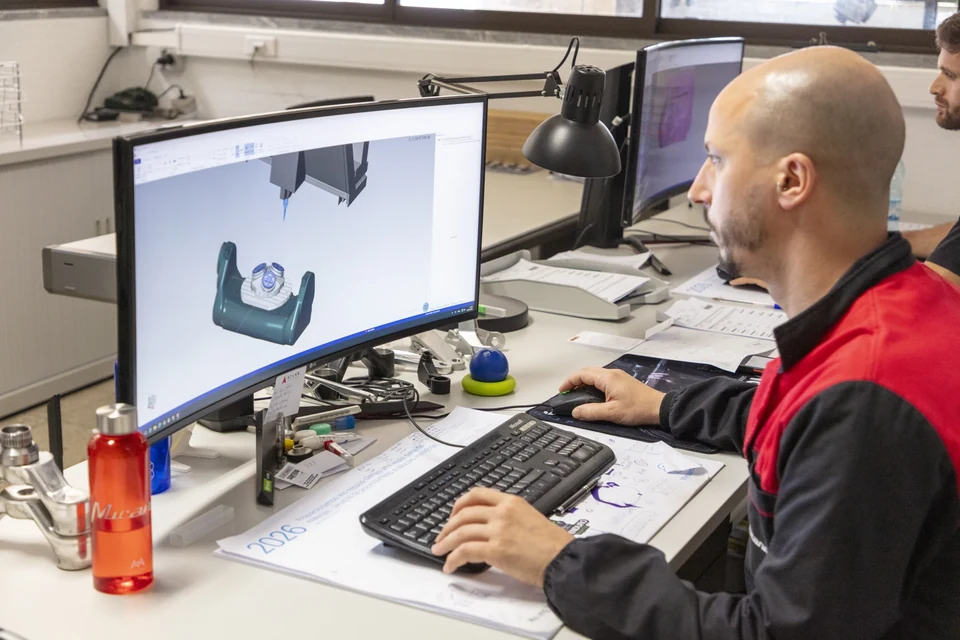
Our R&D team works with digital models, generative design, FEA simulation and PLM. CNC machining and 3D printing turn ideas into prototypes; inspection and testing then help refine the design before industrialisation.

In-house engineering, tooling and complementary production processes keep those decisions connected. Feedback from production can inform the design while there is still time to improve it.

03 / Innovation you can ride

Our thinking.
Made tangible.

XMOD / A modular drivetrain

The XMOD architecture separates the choices within a crankset. Cranks, spindles, spiders and chainrings can be selected around the required assembly, with compatibility and geometry specified for each configuration.

Explore XMOD

MGreen / Design for separation

The patented MGreen system allows its steel chainring and aluminium crank arm to be separated. A damaged element can be replaced without discarding the full assembly; separating the materials also helps recycling at end of life.

Design and circularity

Generative design / Material where it matters

Miranda uses advanced generative design tools to explore efficient geometry. The development case described in the 2025 report reduced a prototype design from 220 g to 180 g while retaining the required mechanical performance. These are development-case figures, rather than a weight specification for every production variant.

Explore digital engineering
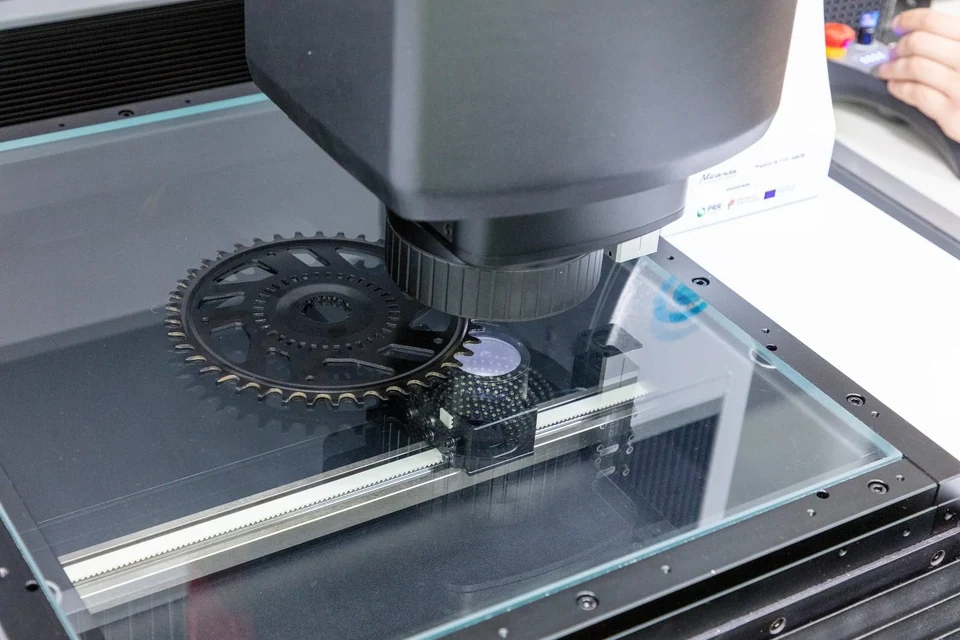
Optical inspection of a Miranda drivetrain component
04 / Validation at every stage

From the lab.
To the trail.

Dimensional control, in-process inspection, mechanical testing and fatigue testing form part of the route from material selection to final validation. The Quality Department works with engineering and production to assess the component against its intended requirements.

The Miranda Factory Team brings a different kind of evidence: feedback from demanding terrain and competition. Its riders help the team understand how a component behaves in use, alongside laboratory evaluation and independent testing where required.

Our management systems include ISO 9001 for quality and ISO 14001 for the environment. IATF 16949 certification covers the manufacture and assembly of reflectors and injection-moulded technical components; its scope should not be confused with a certification of every bicycle product.

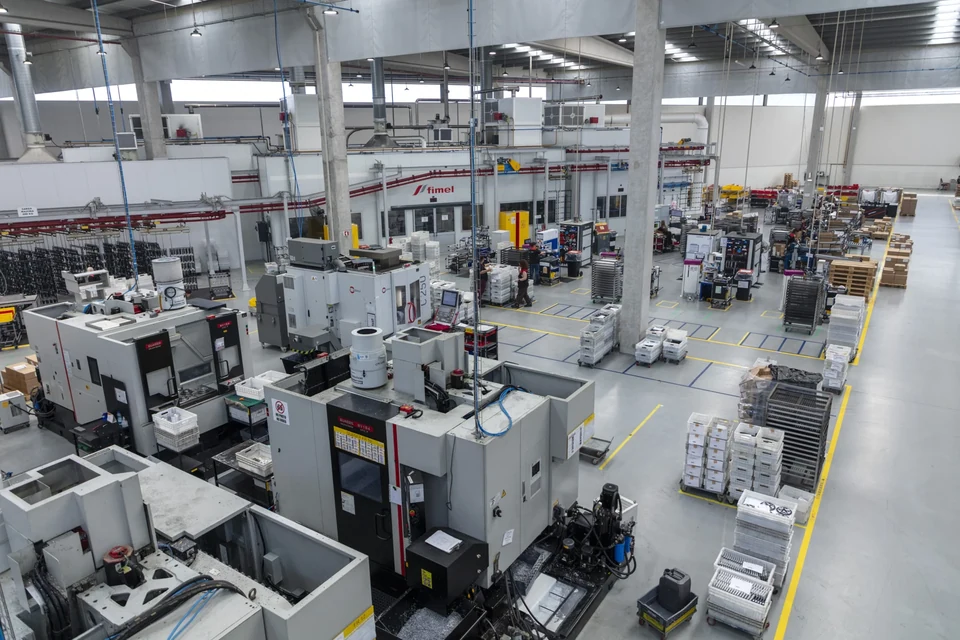
An overview of Miranda’s integrated production facilities
05 / A partner in the product

Your application.
Our industrial depth.

Choose from a developed component platform or work with Miranda on a proprietary design. Our OEM approach connects the functional brief with product geometry, material, surface finish and validation requirements.

For e-bikes, the motor interface is only one part of the system. Chainline, chain or belt drive, frame clearance and the intended use need to be considered together. The 2026 catalogue provides detailed options across motor systems and component families.

Connected production and monitoring of energy, water, gas and manufacturing data support continuing improvements in resource use and industrial control.

Start an OEM conversationMiranda Advanced Manufacturing

Let's build what's next.

A component. A complete drivetrain. A partnership.

Talk to Miranda

Find your component

Search by component name, reference or motor system.